
Always-On Monitoring for Britain's Most Remote Infrastructure
Our solar-powered LTE cameras are helping Network Rail monitor vulnerable assets for land slippage and flooding — delivering round-the-clock visibility without cables, mains power or connection to existing infrastructure.
Protecting Critical Assets in Hard-to-Reach Locations
Embankments, cuttings, culverts and drainage channels often sit in locations where traditional monitoring would be impractical or prohibitively expensive. Running power and data cables to remote stretches of track can cost tens of thousands of pounds — and some sites simply can't be reached.
Network Rail is using our solar-powered LTE cameras to overcome these challenges. Self-sufficient units that install in hours, operate independently and transmit imagery over the 4G mobile network are providing continuous visibility of assets at risk from land movement and flooding — enabling faster, better-informed decisions when conditions change.
The Problem with Remote Monitoring
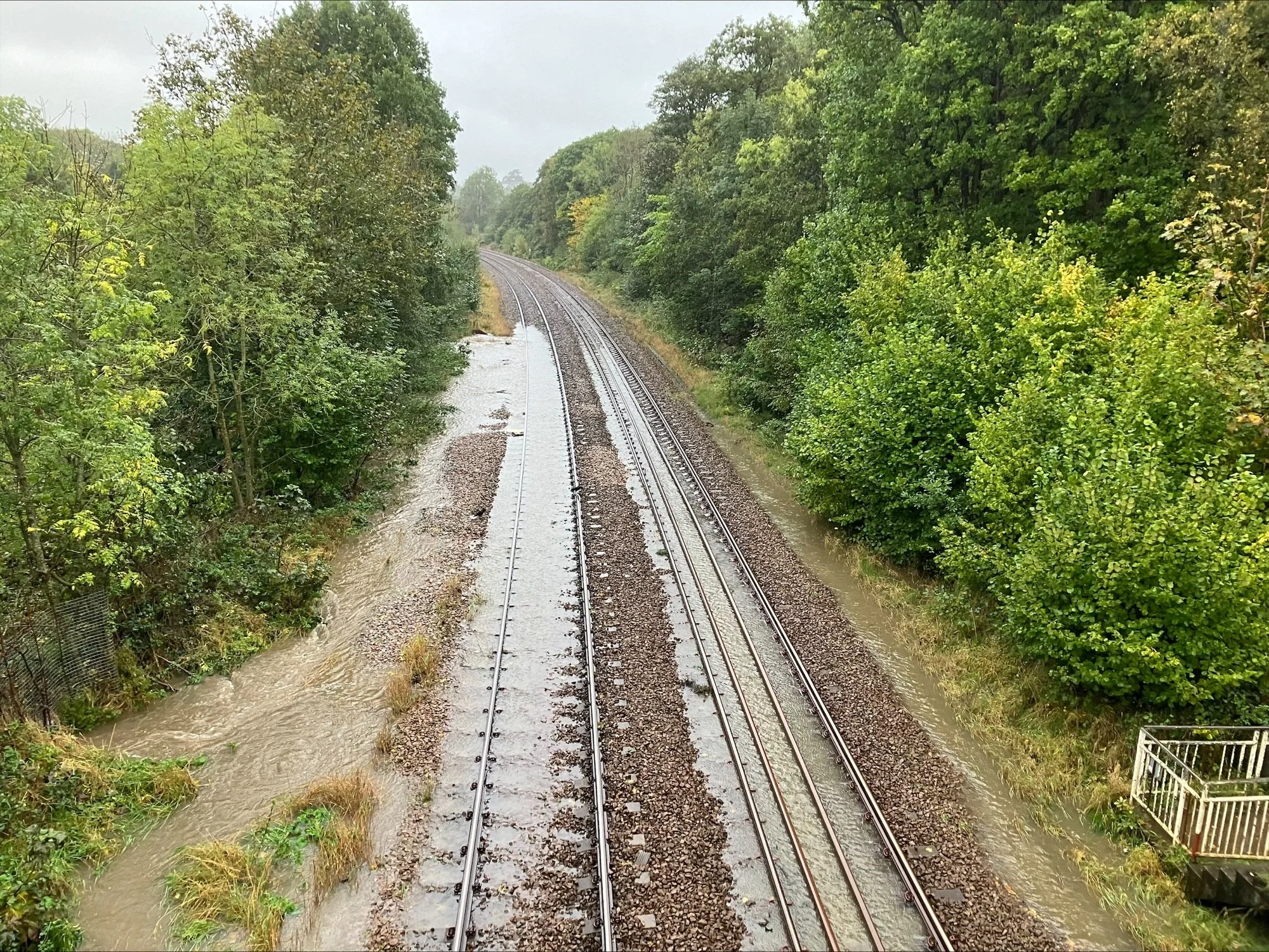
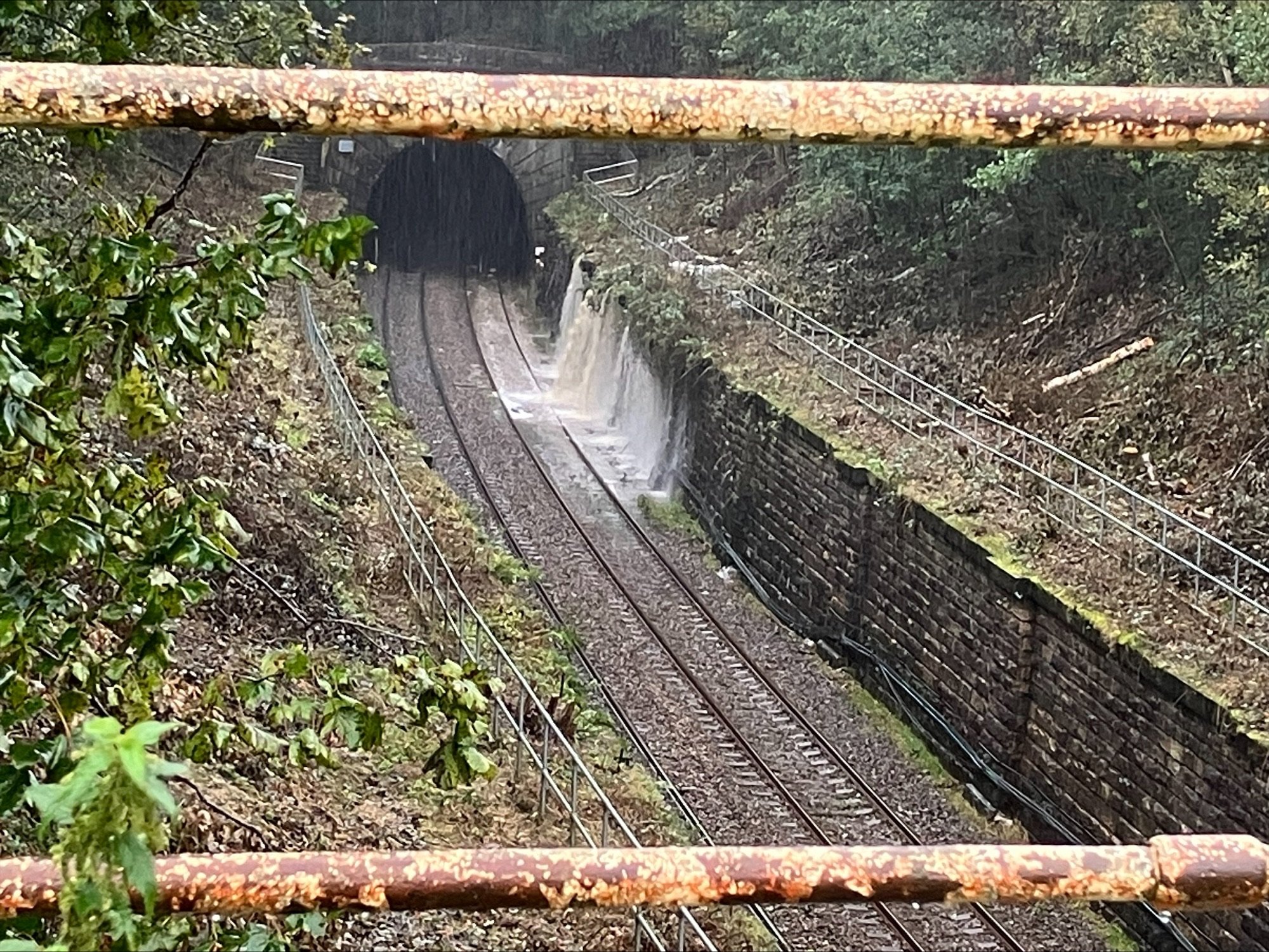
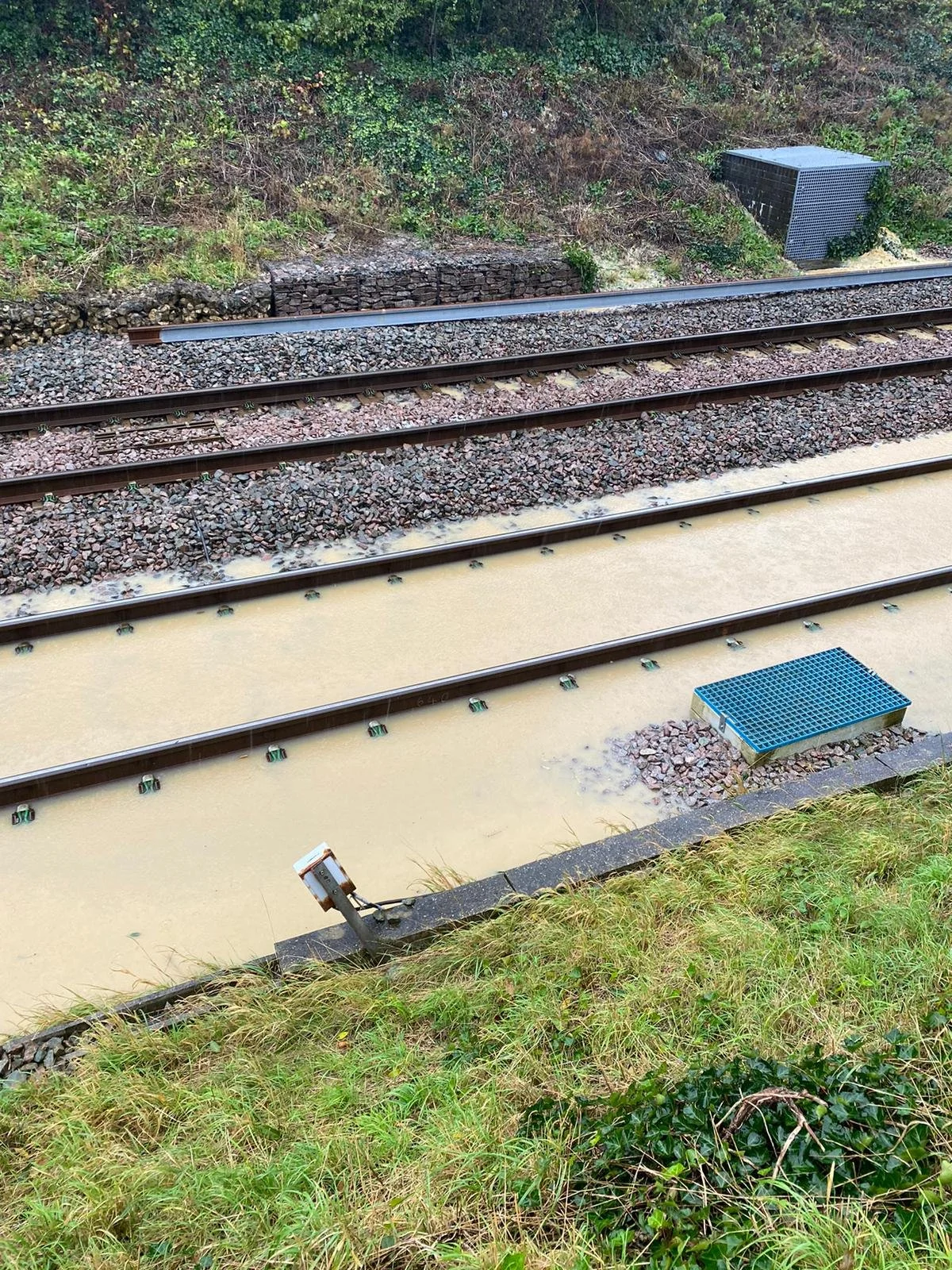
Britain's rail network spans thousands of miles, much of it through terrain vulnerable to the effects of weather and geology. Heavy rainfall can trigger embankment slippage. Flooding can overwhelm drainage infrastructure. Yet many of the highest-risk locations are the hardest to monitor:
- No mains power available
- No existing network or data connections
- Difficult or costly access for installation and maintenance
- Sites too remote for regular physical inspection
Traditional CCTV requires power supplies, trenching for cables and integration with existing systems — making deployment slow, disruptive and expensive. Many vulnerable assets simply go unmonitored.
Self-Sufficient Cameras That Go Anywhere
Our solar LTE cameras change what's possible. Each unit is completely self-contained — generating its own power, storing energy for continuous operation, and transmitting images over the 4G mobile network. There's no need to connect to existing infrastructure, no cables to run, and no complex integration required.
Network Rail is deploying these cameras at sites across the network to monitor earthworks, embankments and drainage assets. When ground conditions change or water levels rise, operations teams have eyes on the situation — without sending personnel to site.
Built for the Toughest Environments
Fully Solar Powered
Integrated photovoltaic panels and battery storage provide continuous power with no mains connection required. The system is engineered to operate reliably through British winters, maintaining function even during extended periods of low light.
4G/LTE Connectivity
Images and alerts are transmitted over the mobile network, eliminating the need for fixed data connections. Where 4G coverage exists, the camera can operate — making deployment possible at sites far from existing infrastructure.
Rapid Installation
A typical installation takes just a few hours. Units mount to posts or existing structures with no groundworks, no trenching and no electrical installation. Your site can be monitored within a day of the camera arriving.
24/7/365 Operation
Once installed, the camera operates continuously — day and night, every day of the year. Infrared capability ensures useful imagery even in complete darkness, while the solar power system maintains operation through all seasons.
Zero Infrastructure Dependency
Each camera is an independent monitoring station. There's no reliance on trackside power, lineside cables or Network Rail's existing communication systems. If the camera can see the asset and receive a 4G signal, it can monitor and report.
Remote Access & Alerts
View live and historic imagery from any location via our secure platform. Configure alerts based on schedules or triggered events to ensure the right people see critical information when it matters.
Why Network Rail Chose Vision Links Solar LTE Technology
Rapid Deployment
Sites that would take months to equip with traditional CCTV can be monitored within days. When a new risk is identified, cameras can be deployed immediately — not added to a lengthy capital works programme.
Dramatic Cost Savings
Eliminating the need for power and data cabling removes the most expensive elements of remote monitoring. No trenching, no wayleaves, no electrical contractors — just a camera, a mounting post and a few hours of installation time.
Flexible Redeployment
Requirements change. A cutting that needed close observation last winter may be stable now, while a new risk emerges elsewhere. Solar cameras can be moved and redeployed as priorities shift — protecting your investment and matching monitoring to current need.
Reduced Site Visits
With remote visibility of asset condition, teams can make informed decisions about when physical inspection is truly necessary. Fewer precautionary site visits means lower costs, reduced track access requirements and less exposure to trackside risk.
Evidence for Decision-Making
Time-stamped imagery provides a clear record of how conditions develop. Whether you're assessing the severity of an emerging issue or reviewing what happened after an event, the visual evidence is there.
Below is a fully deployed solar powered camera systems monitoring sections of Network Rail locations
Discover how solar-powered LTE cameras can bring visibility to the parts of your network that have always been hardest to watch. Contact us to discuss your requirements or arrange a site assessment.